
Certain foods can work especially well together—not because the pairing creates a “superfood,” but because one food can sometimes improve the absorption or availability of nutrients from another.
A classic example is pairing a source of plant-based iron with vitamin C. Vitamin C can improve the absorption of nonheme iron. Dietary fat can also increase the absorption of fat-soluble carotenoids from vegetables.
Other combinations are useful for a different reason: they bring protein, fiber, unsaturated fat, carbohydrates, or micronutrients together in one balanced meal or snack.
However, no food combination can compensate for an otherwise poor diet, and pairing two foods should not be presented as a treatment for anemia, cancer, cardiovascular disease, or another medical condition.
Quick Answer
The most useful food combinations are those with a clear nutritional rationale.
Examples include:
- Plant-based iron + vitamin C to improve nonheme iron absorption.
- Carotenoid-rich vegetables + unsaturated fat to improve carotenoid absorption.
- Fiber-rich carbohydrates + protein or healthy fat for a more balanced meal.
- Complementary whole foods that increase dietary variety and nutrient density.
The overall quality of your dietary pattern matters more than finding a “perfect” food pairing.
10 Evidence-Based Food Combinations for Better Nutrition
The combinations below focus on nutrient absorption, balanced meal composition, or practical ways to eat a wider variety of nutrient-dense foods. Benefits should be viewed as part of an overall healthy dietary pattern rather than as disease treatments.
Spinach and Strawberries: Plant Iron + Vitamin C
Spinach provides nonheme iron, the form of iron found in plant foods. Strawberries provide vitamin C.
This combination has a useful nutritional rationale because vitamin C can improve the absorption of nonheme iron by helping keep iron in a form that is easier for the intestine to absorb.
This can be particularly useful in meals built around plant sources of iron.
Other practical combinations using the same principle include:
- Lentils with tomatoes or bell peppers
- Beans with salsa
- Fortified cereal with berries
- Chickpeas with lemon juice
- Leafy greens with citrus fruit
This pairing should not be described as a treatment for iron-deficiency anemia. Someone with diagnosed anemia may need investigation and treatment beyond dietary changes.
Practical idea: Make a salad with spinach, strawberries, nuts or seeds, and a simple vinaigrette.
Tomato and Avocado or Olive Oil: Carotenoids + Unsaturated Fat
Tomatoes provide carotenoids, including lycopene, while avocado and olive oil provide dietary fat.
Carotenoids are fat-soluble compounds, so consuming carotenoid-rich vegetables with some dietary fat can improve their absorption.
Research on carotenoid-rich meals has found greater carotenoid bioavailability when vegetables are consumed with dietary fat. Unsaturated fats such as olive oil are particularly practical choices.
This principle also applies to other carotenoid-rich vegetables, including:
- Carrots
- Spinach
- Kale
- Red peppers
- Pumpkin
You do not need large amounts of oil. The goal is simply to include some fat as part of the meal rather than assuming that more fat always produces a greater health benefit.
Practical idea: Combine chopped tomatoes and avocado with herbs and lemon, or dress a tomato-rich salad with olive oil.
Banana and Nut Butter: Carbohydrate + Protein and Unsaturated Fat
A banana provides carbohydrate, fiber, potassium, and vitamin B6. Nut butter adds protein, unsaturated fat, magnesium, and other micronutrients.
This pairing is useful mainly because it creates a more balanced snack than eating a carbohydrate source alone.
However, it should not be described as a combination that guarantees better blood sugar control, prevents cardiovascular disease, or automatically keeps you full for hours. Satiety depends on the total meal, portion size, individual appetite, and overall dietary pattern.
Choose peanut, almond, or other nut butter with little or no added sugar when possible.
Practical ways to use this combination include:
- Banana slices with peanut or almond butter
- Banana and nut butter on whole-grain toast
- Banana added to oatmeal with a spoonful of nut butter
- Banana blended with milk or yogurt and nut butter
Practical Takeaway
Banana and nut butter is a convenient combination of carbohydrate, fiber, protein, and unsaturated fat. Its main advantage is meal balance and convenience—not a unique therapeutic effect.
Carrots and Hummus: Carotenoids + Dietary Fat
Carrots are rich in beta-carotene, a provitamin A carotenoid that the body can convert into vitamin A.
Hummus typically contains chickpeas, tahini, and olive oil. The tahini and olive oil provide dietary fat, while chickpeas add fiber and plant protein.
This pairing has a useful nutritional rationale because carotenoids are fat-soluble compounds. Consuming carotenoid-rich vegetables with some dietary fat can improve carotenoid absorption.
Research in humans has shown that carotenoid absorption is influenced by dietary fat, although the amount absorbed varies substantially among individuals.
Hummus also contributes:
- Plant protein
- Fiber
- Folate
- Iron
- Unsaturated fat
That makes carrots and hummus a practical nutrient-dense snack, without needing claims that garlic “kills infections” or that olive oil by itself lowers inflammation or cholesterol.
Other combinations using the same principle include:
- Carrots with tahini dressing
- Bell peppers with hummus
- Roasted vegetables with olive oil
- Leafy greens with nuts, seeds, or avocado
Practical Takeaway
Carrots and hummus combine carotenoid-rich vegetables with dietary fat, which can support carotenoid absorption while also providing fiber and plant protein.
Whole Eggs and Vegetable Salad: Dietary Fat + Carotenoids
Colorful vegetables provide carotenoids such as beta-carotene, lutein, zeaxanthin, and lycopene. Whole eggs provide protein along with fat from the yolk.
This is a useful pairing because dietary fat can increase the absorption of fat-soluble carotenoids from vegetables.
A randomized crossover trial found that adding whole eggs to a carotenoid-rich vegetable salad increased carotenoid absorption compared with eating the salad without eggs.
More recent research published in 2026 also found that consuming whole eggs with a cooked vegetable meal increased carotenoid absorption in both premenopausal and postmenopausal women.
Good vegetables to include are:
- Spinach
- Tomatoes
- Carrots
- Red or yellow peppers
- Kale
- Other dark-green or orange vegetables
The benefit does not mean that more eggs always produce better health outcomes. The research examined nutrient absorption from specific meals, not prevention of chronic disease.
Practical idea: Add a boiled, poached, or cooked egg to a vegetable salad containing leafy greens, tomatoes, carrots, and peppers.
Practical Takeaway
Whole eggs can provide dietary fat that helps the body absorb carotenoids from vegetables. This is a well-supported example of food pairing affecting nutrient bioavailability.
Greek Yogurt and Berries: Protein + Fiber-Rich Fruit
Greek yogurt and berries are useful together for a different reason than the nutrient-absorption combinations above.
Greek yogurt provides protein and, depending on the product, calcium and live cultures. Berries provide fiber, vitamin C, and naturally occurring plant compounds such as anthocyanins.
Together, they create a simple meal or snack that combines:
- Protein
- Carbohydrate
- Fiber
- Calcium
- Fruit
- A variety of micronutrients and phytochemicals
There is no need to claim that berries “activate” probiotics or that this combination detoxifies the body, boosts metabolism, or prevents disease.
The value of this pairing is simpler: it makes it easy to combine a protein-rich food with fruit and fiber in one nutrient-dense snack.
Choose plain or lower-added-sugar yogurt when practical, then add fresh or frozen berries for sweetness.
Other variations include:
- Greek yogurt with blueberries
- Plain yogurt with strawberries
- Yogurt with raspberries and nuts
- Fortified soy yogurt with berries for a dairy-free option
Practical Takeaway
Greek yogurt and berries are not a special biochemical “synergy,” but they are a practical way to combine protein, fruit, fiber, and micronutrients in one meal or snack.
Fortified Whole-Grain Cereal and Milk: A Practical Nutrient-Dense Breakfast
Whole-grain cereal and milk are not a special biochemical “synergy,” but they can complement each other nutritionally.
A fortified whole-grain cereal may provide:
- Whole-grain carbohydrate
- Fiber
- Iron
- Folate
- B vitamins
- Added vitamin D, depending on the product
Milk contributes:
- Protein
- Calcium
- Vitamin B12
- Riboflavin
- Vitamin D when fortified
In the United States, most cow’s milk is fortified with vitamin D, and many ready-to-eat breakfast cereals also contain added vitamin D. Fortified soy, almond, and oat beverages may provide similar amounts, but fortification varies by brand.
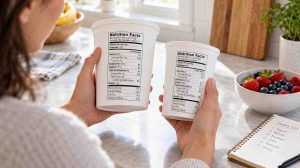
Check the Nutrition Facts label rather than assuming every cereal or milk alternative contains vitamin D.
Choose cereals with more whole grains and fiber and less added sugar when practical.
Practical Takeaway
Fortified cereal and milk can provide several nutrients in one convenient meal, especially calcium, vitamin D, protein, and fortified micronutrients. Its value comes from complementary nutrition rather than one food making the other substantially more absorbable.
Beans or Lentils and Bell Peppers: Nonheme Iron + Vitamin C
Beans and lentils provide nonheme iron, the form of iron found in plant foods.
Bell peppers are rich in vitamin C.
This pairing is useful because vitamin C can increase the bioavailability of nonheme iron, making plant-based iron easier for the body to absorb.
Other savory combinations using the same principle include:
- Lentils with tomatoes
- Black beans with salsa
- Chickpeas with lemon juice
- Bean chili with tomatoes and peppers
- Tofu with broccoli or bell peppers
This principle is particularly useful for vegetarian and vegan meals because iron from plant foods is generally less bioavailable than heme iron from meat and seafood.
However, these combinations should not be described as treatments for iron-deficiency anemia. Diagnosed iron deficiency may require blood testing, investigation of the underlying cause, and iron supplementation or other treatment.
Practical Takeaway
Pairing beans or lentils with vitamin C-rich vegetables is one of the clearest examples of food combination improving nutrient absorption.
It is especially useful in plant-based meals, where vitamin C can enhance absorption of nonheme iron.
Oatmeal and Nuts or Seeds: Soluble Fiber + Unsaturated Fat and Protein
Oatmeal provides whole-grain carbohydrates and beta-glucan, a type of soluble fiber. Nuts and seeds add unsaturated fat, protein, fiber, magnesium, and other micronutrients.
This pairing does not create a special absorption effect, but it makes oatmeal more nutritionally balanced than eating plain oats alone.
Useful combinations include:
- Oatmeal with walnuts
- Oatmeal with almonds
- Oatmeal with chia seeds
- Oatmeal with ground flaxseed
- Oatmeal with peanut or almond butter
Choose unsweetened or minimally sweetened toppings when possible.
Practical Takeaway
Oatmeal with nuts or seeds combines whole grains, soluble fiber, protein, and unsaturated fat in one practical meal. Its benefit comes from complementary nutrition rather than a unique biochemical synergy.
Beans and Brown Rice: Legumes + Whole Grains
Beans and brown rice are a traditional combination that brings together two nutrient-dense plant foods.
Beans provide:
- Plant protein
- Fiber
- Iron
- Folate
- Potassium
Brown rice contributes:
- Whole-grain carbohydrate
- Fiber
- Magnesium
- Manganese
Legumes and grains also provide different proportions of essential amino acids. They do not have to be eaten in the same meal to meet protein needs, but combining them creates a practical plant-based meal with protein, carbohydrate, and fiber.
Other variations include:
- Black beans and brown rice
- Lentils and whole-grain rice
- Chickpeas and whole-grain couscous
- Beans and corn tortillas
Adding vegetables can further increase dietary variety and micronutrient intake.
Practical Takeaway
Beans and whole grains are useful together because they create a balanced plant-based meal with protein, fiber, complex carbohydrates, and micronutrients. They do not need to be marketed as a “complete protein hack” to be nutritionally valuable.
The best food combinations for health are those that can boost your nutrition and well-being with every bite. Some of these combinations involve foods that keep you full longer, such as eggs and oatmeal, Greek yogurt and fruit, or avocado and chicken.
To discover more of these foods and how to use them to improve your health and fitness, you can read our article on the foods that keep you full longer.
FAQs About Food Combinations for Better Nutrition
Do certain food combinations really improve nutrient absorption?
Yes, in some cases.
Vitamin C can improve the absorption of nonheme iron from plant foods. Dietary fat can also improve the absorption of fat-soluble carotenoids from vegetables.
However, not every popular food pairing has a meaningful biochemical advantage.
What is the best food combination for iron absorption?
A practical example is pairing a plant source of iron with a vitamin C-rich food.
Examples include:
- Lentils with tomatoes
- Beans with bell peppers
- Chickpeas with lemon juice
- Fortified cereal with berries
- Spinach with strawberries or citrus
These combinations can improve nonheme iron absorption, but they are not substitutes for medical treatment when iron deficiency or anemia has been diagnosed.
Do vegetables need fat for nutrient absorption?
Some vegetable nutrients, particularly carotenoids, are absorbed better when eaten with dietary fat.
Useful combinations include:
- Tomatoes with avocado
- Carrots with hummus
- Vegetable salad with whole eggs
- Leafy greens with olive oil, nuts, or seeds
You do not need large amounts of fat to benefit.
Are food combinations more important than the overall diet?
No.
Food pairing can improve the absorption of certain nutrients or make meals more nutritionally balanced, but overall dietary quality matters much more.
Eating a varied pattern rich in vegetables, fruits, legumes, whole grains, nuts, seeds, and appropriate protein sources is more important than trying to optimize every meal through special combinations.
Can food combinations prevent or treat disease?
Food combinations can contribute to a nutritious dietary pattern, but they should not be presented as treatments for anemia, cancer, cardiovascular disease, osteoporosis, or other medical conditions.
Some pairings can improve nutrient absorption, but prevention and treatment of disease depend on many factors beyond individual food combinations.
Do I need to follow these exact combinations?
No.
The principle matters more than the exact foods.
For example, strawberries are not the only food that can improve plant-iron absorption. Bell peppers, citrus fruits, tomatoes, kiwi, and other vitamin C-rich foods can serve the same purpose.
Likewise, avocado is not the only source of dietary fat that can accompany carotenoid-rich vegetables.
Bottom Line
The best food combinations for health are not magical pairings that prevent disease or transform an otherwise poor diet.
Their value is more practical.
Some combinations can improve nutrient absorption—for example, vitamin C with plant-based iron or dietary fat with carotenoid-rich vegetables. Others simply create a more balanced meal by combining protein, fiber, carbohydrates, healthy fats, and micronutrients.
The strongest examples are based on a clear nutritional mechanism rather than broad claims about detoxification, immunity, inflammation, or disease prevention.
Use these combinations as flexible ideas rather than strict rules. Spinach does not have to be paired with strawberries, and tomatoes do not have to be eaten with avocado. Similar foods can provide the same nutritional principle.
Most importantly, focus on the quality and variety of your overall diet. A consistent eating pattern built around nutrient-dense whole foods matters far more than finding a “perfect” food pairing.
Sources and Medical References
- NIH Office of Dietary Supplements: Iron — Health Professional Fact Sheet
- NIH Office of Dietary Supplements: Vitamin A and Carotenoids — Health Professional Fact Sheet
- Effects of Egg Consumption on Carotenoid Absorption from Co-Consumed Raw Vegetables
- Effects of Dietary Fat Type and Emulsification on Carotenoid Absorption: A Randomized Crossover Trial
- Whole Egg Consumption Effects on Vitamin D and Carotenoids Bioavailability in Pre- and Post-Menopausal Females