
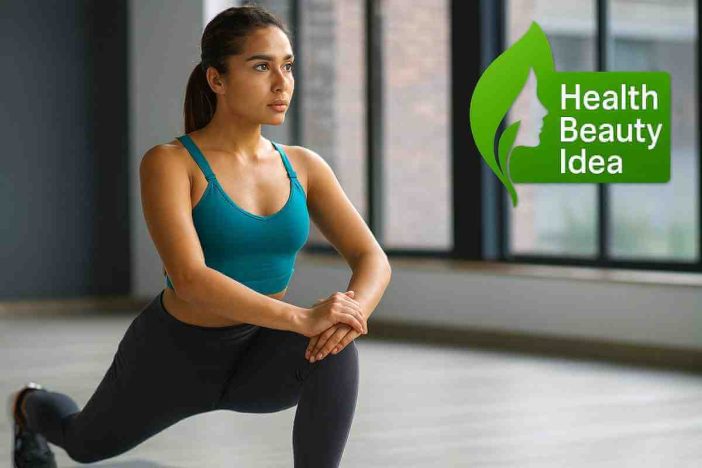
The gym lights flicker softly as your breathing steadies. Sweat cools on your skin, your heartbeat slows, and your muscles hum with that unmistakable post-workout warmth—a signal that you’ve pushed your body to grow stronger. Most people think this is the end of the session. They grab their towel, sling their bag over one shoulder, and head for the exit. But the athletes who move with power, grace, and longevity know something different: the transformation doesn’t end when the workout stops. It begins in the quiet moments afterward—through the Best stretching routine after workout, where mobility is restored, flexibility is built, and long-term strength is protected.
Across training centers worldwide, elite performers step immediately into their recovery ritual. There is intention in every movement: slow exhalations, gentle lengthening, mindful release. These habits are not aesthetic—they’re strategic. According to research from American College of Sports Medicine, post-exercise stretching helps reduce muscle stiffness, improves joint mobility, and supports better overall movement quality. A consistent post workout stretching routine doesn’t just soothe the body; it primes it for future performance, reduces injury risks, and enhances functional movement in everyday life.
This article dives deep into the science and practical application behind dynamic and static stretching benefits—giving you a complete, evidence-informed recovery blueprint. With insights grounded in physiology, performance coaching, and real-world athletic practice, this guide is designed to help you move better, heal faster, and build a more resilient body.
If you’re just starting out, our home-workout guide for beginners includes a short cool-down & stretching segment — a good example of how to build a full-body plan that ends with recovery.
Why the Best Stretching Routine After a Workout Matters
What Happens to Your Muscles After Training
During exercise, your muscles experience micro-tears, your joints absorb repeated loads, and your heart accelerates to supply oxygen to working tissue. When the workout ends, these systems don’t instantly return to normal. Your muscles remain partially contracted, metabolic waste lingers, and connective tissues may stiffen. Without a deliberate Best stretching routine after workout, these changes can restrict movement, shorten your muscles over time, and reduce recovery efficiency.
Your body thrives on balance. When muscles tighten without being lengthened again, imbalances form. Tight hip flexors tilt the pelvis, tight chest muscles pull the shoulders inward, and tight hamstrings strain the lower back. Structured stretching directly counters these changes by restoring optimal length-tension relationships in your muscles—something especially crucial if you aim to train consistently without pain.
Why Post-Workout Is the Ideal Time to Stretch
Your muscle temperature rises during exercise, making tissues more pliable—almost like warm clay that can be shaped more easily. This makes the post-workout window the ideal time to perform your post workout stretching routine.
Warm muscles:
- Lengthen more effectively
- Have greater blood flow
- Respond better to flexibility training
- Reduce the risk of overstretch injury
This isn’t just theory. A study published in the Journal of Strength and Conditioning Research found that stretching warm muscles improves flexibility significantly more than stretching cold muscles. Combined with the proven dynamic and static stretching benefits, using this window effectively can improve both short-term recovery and long-term mobility.
To support the importance of a structured stretching practice, a detailed explanation from Harvard Health highlights why muscle flexibility and joint mobility directly influence daily performance and long-term functional strength. The resource explains how proper stretching techniques reduce physical strain and support healthier movement patterns as we age. By reviewing insights from recognized medical experts, you’ll gain a clearer understanding of why an intentional routine is essential after every workout.
The 5 Amazing Benefits of the Best Stretching Routine After a Workout
1. Reduced Muscle Stiffness and Faster Recovery
Nothing slows progress like waking up so sore that simple movements feel like monumental tasks. Stretching after workouts helps move blood and oxygen into fatigued muscles while flushing out metabolic byproducts like lactate. This promotes faster tissue healing and reduces the intensity of delayed onset muscle soreness (DOMS).
One experiment from Sports Medicine journal reported that post-exercise stretching may reduce perceived soreness by enhancing circulation. Your Best stretching routine after workout essentially becomes a cooling wave for your body—soothing tension and preparing your muscles for tomorrow’s movement.
Tip: Focus on slow, deep breathing while stretching. Oxygen helps muscles relax more effectively.
2. Improved Flexibility and Joint Range of Motion
Flexibility isn’t just for dancers or yogis—it’s essential for everyone. Better flexibility reduces movement restrictions, helps you lift with proper form, and keeps your joints healthy.
The dynamic and static stretching benefits work hand in hand here:
- Dynamic stretches improve mobility
- Static stretches enhance long-term flexibility
For example:
- A dynamic hip swing improves hip mobility
- A static hip flexor stretch lengthens tight tissue
Incorporating both into your post workout stretching routine yields optimal results.
3. Injury Prevention and Long-Term Musculoskeletal Health
Most injuries occur when your muscles lack the flexibility to move through their intended range of motion. Tight hamstrings lead to lower back strain; tight quads stress the knees; tight chest muscles contribute to shoulder impingement.
A complete Best stretching routine after workout reduces structural imbalances, promotes better posture, and helps prevent overuse injuries over time. Even a few minutes spent lengthening major muscle groups can drastically lower your risk of strains, pulls, and movement dysfunction.
4. Better Posture and Improved Movement Quality
Modern life forces our bodies into unnatural positions—hunched over laptops, craning toward phones, or sitting for hours. These habits shorten certain muscle groups and weaken others. Your post workout stretching routine can counteract these patterns by opening tight areas such as:
- Hip flexors
- Chest and anterior shoulders
- Hamstrings
- Thoracic spine
As flexibility improves, your posture shifts naturally into a healthier alignment. This makes movement smoother, lifting safer, and daily activities more comfortable.
5. Enhanced Mind-Body Connection and Relaxation
One benefit often overlooked is the mental reset stretching provides. After intense training, stretching serves as a transition period—bringing your body and mind back into a calm, regulated state.
Deep breathing activates the parasympathetic nervous system, reducing stress hormones and calming the mind. This effect reinforces exercise as a self-care practice, not just physical exertion.
The result?
- Better emotional regulation
- Lower stress
- Improved sleep quality
- A stronger connection to your own body
When you end your workout with the Best stretching routine after workout, you complete the physical journey and begin the recovery process with clarity and intention.
To highlight the mind-body benefits of stretching, the Quick Stress Reduction Techniques guide strengthens your explanation of how stretching triggers relaxation. The ideas shared in that article demonstrate how small movements and gentle stretches help release tension throughout the day. Integrating this anchor also reinforces the psychological benefits of your post-workout routine. This creates a well-rounded perspective on physical and mental recovery.
Building the Perfect Post-Workout Stretching Routine
Dynamic vs. Static Stretching: What’s the Difference?
Dynamic stretches involve controlled, fluid movements that gradually increase reach or speed. They help enhance mobility and prepare joints for movement.
Static stretches involve holding a lengthened position for 20–45 seconds, allowing your muscles to relax and extend fully.
Combining both maximizes the dynamic and static stretching benefits, giving you:
- Better joint lubrication
- Improved long-term flexibility
- Reduced muscle tightness
How to Structure Your Routine
A balanced post workout stretching routine should follow this sequence:
- Slow breathing to lower heart rate
- Gentle dynamic mobility
- Deeper static stretches
- Breathwork or mindfulness
Aim for 8–12 minutes total.
Recommended Routine (Full Body)
1. Hip Flexor Stretch (Static)
Hold each side 30 seconds. Helps counter sitting posture and tight quads.
2. Hamstring Stretch (Static)
Hold 30–40 seconds. Supports lower-back health.
3. Chest Wall Stretch (Static)
Hold 25–30 seconds. Improves posture.
4. Thoracic Spine Rotation (Dynamic)
10 reps each side. Enhances upper body mobility.
5. Glute Stretch / Figure 4 (Static)
Hold 30–40 seconds. Reduces hip tightness.
6. Calf Stretch (Static)
Hold 20–30 seconds. Supports ankle mobility for squats and running.
7. Child’s Pose (Static)
Hold 30–60 seconds. Promotes relaxation and deep breathing.
On lighter training days, the 10-Minute Morning Yoga Routine for Energy provides gentle movements that complement a post-workout stretching sequence beautifully. This reference introduces readers to softer mobility work that still supports flexibility and muscular recovery. It also reinforces the message that stretching isn’t limited to gym sessions — it can be a daily wellness ritual.
How Often Should You Stretch?
Consistency matters more than duration. Perform your Best stretching routine after workout every training session for optimal results. If you train 4–5 times a week, your flexibility and mobility will improve significantly within 3–6 weeks.
For those with heavily tight muscles or limited mobility, adding light stretching on non-training days can accelerate progress.
Common Mistakes to Avoid
Pushing Into Pain
Stretching should challenge you, not injure you.
Holding Your Breath
Breath creates space in your muscles; don’t block it.
Rushing Through Stretches
Short, hurried stretches don’t allow tissues to lengthen.
Skipping Tight Areas
Stretch the muscles you need, not just the ones you like.
Final Thoughts
A great workout challenges your body, but a smart recovery routine prepares it for tomorrow. By incorporating a structured Best stretching routine after workout, you’re not just reducing soreness—you’re improving posture, reducing injury risk, enhancing movement, and strengthening your body for long-term performance. With consistent practice and mindful execution, your flexibility, comfort, and athletic capacity will transform far beyond what happens inside the gym.
![Regain Your Confidence: Overcome Hair Loss & Embrace a Full Head of Hair [Symptoms, Causes, and Treatments]](https://healthbeautyidea.com/wp-content/uploads/2022/03/Hair-Loss-300x168.jpg "Regain Your Confidence: Overcome Hair Loss & Embrace a Full Head of Hair [Symptoms, Causes, and Treatments] 1")


 Skincare Solutions & Skin Health
 Mental Health, Stress & Emotional Wellbeing
 Sleep, Energy & Daily Performance