
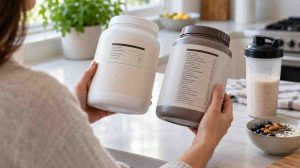
Many protein powders can fit the ultra-processed category, especially flavored formulas containing isolated proteins and functional additives. But processing level alone does not tell you whether a product fits your diet. Learn a practical way to judge both the ingredient list and nutrition label.
Blog
How to Read Protein on Nutrition Labels: Grams vs %DV
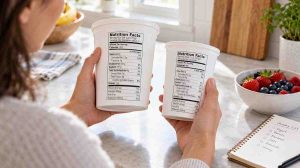
Two foods can advertise the same amount of protein yet provide very different portions, calories, and nutritional value. Learn how to compare protein labels fairly, understand why the % Daily Value may be missing, and use a practical checklist before buying.
Damaged Skin Barrier: 7 Signs and a Simple Repair Routine

A damaged skin barrier can make ordinary skincare suddenly sting, feel tight, or trigger persistent irritation. Learn how to recognize the pattern, simplify your routine, and know when the problem needs professional care.
Azelaic Acid vs Niacinamide: 7 Crucial Differences

Azelaic acid vs niacinamide is not a simple contest. Compare how each ingredient works for acne, redness, dark spots, oily skin, barrier support, and sensitive skin—and learn when using both may make more sense.
Whey Protein vs Plant Protein: 7 Key Differences That Matter
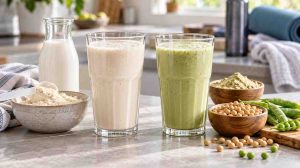
Whey protein vs plant protein is not a simple winner-takes-all choice. Compare amino acids, muscle outcomes, digestion, allergens, labels, cost, and lifestyle fit before choosing your protein.
High-Protein Breakfast Without Protein Powder: A Practical Food-First Builder
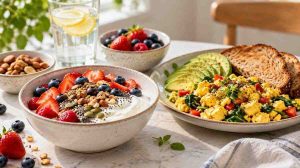
Protein powder is convenient, but it is not the only way to build a protein-rich breakfast. This practical framework shows how to combine everyday foods into breakfasts that fit your appetite, diet, budget, and morning routine.


