Rain splashed on the windowpane, and she sat by the sill, hands trembling, mind racing. Every sense in her body felt alive and buzzing—heart pounding like a drum, breath short, a thousand tiny avalanches of worry cascading in her brain. She had read every self-help book, tried every trick. But the pills made her foggy. The therapy sessions felt like digging drains in the dark. What she yearned for was a way to calm the tide from within, to reduce anxiety naturally, without chemical haze or heroic willpower.
If you’ve ever found yourself in that trembling, restless place, know this: you are not alone. More than 18 percent of adults report symptoms of anxiety in recent years. Around one in four people who need mental health care never receive it—because of stigma, cost, or lack of access. Yet across cultures and centuries, humans have relied on breath, movement, herbs, mindfulness, and time in nature to calm the mind.
This guide explores evidence-based ways to reduce anxiety naturally—from lifestyle shifts to proven calming techniques—so you can reclaim your peace of mind.
Why Natural Tools Can Be Powerful
Anxiety isn’t just “worrying too much.” It’s a cascade of biological and neurological reactions: hormones, neurotransmitters, and body systems working overtime. To truly reduce anxiety naturally, effective tools must touch multiple systems—breath, thought, behavior, and environment.
Scientific research shows that:
- Meditation and mindfulness can moderately lower anxiety.
- Relaxation breathing decreases cortisol and heart rate.
- Yoga, tai chi, and qigong improve stress regulation.
- Herbal aids such as chamomile and lavender provide measurable relief for mild cases.
- Spending time in nature consistently lowers anxiety and improves mood.
Together, these findings suggest that holistic approaches help the body self-regulate—often without side effects.
If you’re curious about other holistic strategies, check out our deeper dive in Natural Remedies for Anxiety: 7 Powerful Ways That Work, where we explore herbal supports and lifestyle tweaks that complement the practices in this article.
Numerous scientific studies confirm that mindfulness-based meditation can meaningfully reduce anxiety symptoms. A large meta-analysis published in JAMA Internal Medicine found that meditation programs produced measurable improvements in stress and anxiety levels (see Meditation Programs for Psychological Stress and Well-being). Including this trusted reference in your article not only strengthens your authority but also enhances your readers’ confidence in the science behind natural anxiety relief. This paragraph fits perfectly within the section that discusses the evidence behind mindfulness or breathing techniques.
How to Reduce Anxiety Naturally
1. Breathe Deeply, Deliberately
Breathwork is the most immediate path to calm. Deep, slow breathing activates the parasympathetic nervous system, reducing the “fight-or-flight” response.
How to Practice
4-7-8 Breathing
- Inhale quietly through your nose for four seconds.
- Hold for seven seconds.
- Exhale slowly through your mouth for eight seconds.
- Repeat for five cycles.
You can also use box breathing (inhale-hold-exhale-hold for equal counts).
Use this technique before stressful meetings, while driving, or before sleep. With consistent practice, your body learns to relax faster and more completely.
For step-by-step breathwork routines, see our full guide in Breathing Exercises for Stress Relief: 7 Powerful Techniques to Instantly Calm Your Mind, which pairs beautifully with the breathing section here.
2. Move with Intention: Yoga, Walking, and Tai Chi
Movement releases endorphins and regulates brain chemistry—key to controlling anxiety.
Evidence in Action
- Gentle yoga sequences calm the mind and body.
- Nature walks lower blood pressure and promote inner quiet.
- Tai chi and qigong harmonize breath and movement, reducing muscle tension.
How to Start
- Begin with 10 minutes of stretching or walking daily.
- Add light yoga twice a week.
- Whenever possible, walk outdoors to combine exercise with natural sunlight and fresh air.
Even brief daily motion helps restore the body’s balance and energy flow.
3. Nourish Your Body: Food and Supplements
Your diet plays a direct role in emotional balance.
Eat to Heal
- Include fatty fish, nuts, seeds, and leafy greens for omega-3s and magnesium.
- Reduce caffeine, sugar, and alcohol, which can amplify anxiety.
- Stay hydrated—dehydration can worsen fatigue and irritability.
Natural Support (Use Responsibly)
- Chamomile tea promotes relaxation and better sleep.
- Lavender has mild anxiolytic effects.
- Green tea (L-theanine) improves focus and calm.
- Kava may reduce tension but should be used only under medical supervision.
Food is your foundation—supplements are optional helpers.
In optimizing your diet for mental balance, you might enjoy Health Benefits of Turmeric: 7 Powerful Reasons You’ll Love It—a deep dive into how turmeric’s anti-inflammatory actions may support emotional well-being.
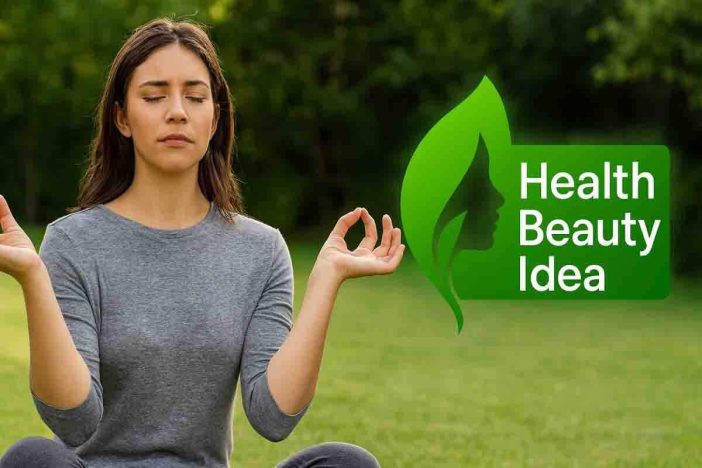
4. Cultivate Mindfulness and Meditation
Mindfulness trains your mind to notice thoughts without judgment. Over time, this practice rewires the brain toward calm and resilience.
Try This
- Sit comfortably, close your eyes, and focus on your breath.
- When a thought arises, label it “thinking” and gently return to the breath.
- Practice five minutes daily, extending to twenty as you grow comfortable.
Mindful awareness builds stress resilience—a golden state where anxiety loses its grip because your focus remains steady, even under pressure.
5. Design a Calm Environment
Your surroundings influence your nervous system more than you realize.
Create a Soothing Space
- Add plants or soft natural elements indoors.
- Let in sunlight during the day, dim lights at night.
- Keep screens out of the bedroom to promote rest.
- Listen to soft instrumental or ambient nature sounds.
Even subtle shifts—like decluttering your desk or using calming colors—can reduce overstimulation and promote focus.
To broaden your mental wellness toolkit, you can also explore How to Manage Stress Naturally: 7 Powerful Ways That Work, which covers complementary strategies to reduce daily tension.
6. Build Consistency and Track Progress
Habits are the engine of transformation. Create a routine that blends mind, body, and environment work.
| Phase | Practice | Goal |
|---|---|---|
| Weeks 1-2 | Breathing 5 min/day | Build awareness |
| Weeks 3-4 | Add mindfulness | Strengthen focus |
| Weeks 5-6 | Include yoga or tai chi | Balance energy |
| Weeks 7-8 | Add nature immersion | Deepen calm |
Keep a daily log: note anxiety levels (0-10), triggers, and activities.
Tracking progress keeps you motivated and shows what truly works.
7. Know When to Seek Help
Natural methods are powerful, but professional support is essential when anxiety interferes with sleep, work, or relationships.
If you experience panic attacks, constant worry, or dark thoughts, contact a mental health provider.
Natural approaches are allies—not replacements—for medical care.
Bottom Line: The Calm You Create
To reduce anxiety naturally is to become the gardener of your own peace. You plant seeds—breath, movement, mindfulness, and self-care—and nurture them daily.
You may not eliminate anxiety entirely, but you can transform your relationship with it.
Over time, calm becomes your new baseline, not a fleeting visitor.
Start small. Stay consistent.
Let your breath, body, and awareness guide you home to balance.