
Terms such as processed meat, red meat, packaged meat, and ultra-processed food are often used interchangeably, but they do not mean the same thing. The World Health Organization defines processed meat as meat transformed through salting, curing, fermentation, smoking, or similar methods used to improve flavor or preservation. Packaging or freezing alone does not automatically place fresh meat in this category.
Quick Answer: Processed meat includes products such as bacon, ham, hot dogs, salami, pepperoni, corned beef, jerky, canned meat, deli meats, and some sausages that have been cured, salted, smoked, or fermented. WHO/IARC concludes that processed meat consumption causes colorectal cancer, while the World Cancer Research Fund recommends eating little, if any. This classification describes the strength of the evidence; it does not mean processed meat carries the same level of risk as smoking.
What Counts as Processed Meat?
Processed meat is meat that has been changed through salting, curing, fermentation, smoking, or another preservation process.
The definition is narrower than the general term “processed food.” Meat does not become processed meat merely because it has been cut, placed in a package, refrigerated, or frozen.
Most familiar examples are made from pork or beef, but processed meat can also contain poultry, offal, or other meat ingredients. The preservation method matters more than the animal it came from.
Processed Meat List: Common Examples
Common processed meats include:
- Bacon: Usually cured with salt and may also be smoked.
- Ham: Commonly salted or cured and sometimes smoked.
- Hot dogs and frankfurters: Made from a meat mixture that is typically cured or otherwise preserved.
- Salami: Usually cured, fermented, and dried.
- Pepperoni: A cured and fermented sausage commonly used as a pizza topping.
- Corned beef: Beef preserved through salt-curing.
- Beef jerky and biltong: Meat preserved through drying and curing.
- Pastrami: Cured meat that is usually seasoned and smoked.
- Deli and luncheon meats: These may be cured, smoked, salted, or preserved; check the label and processing method.
- Canned meat: Included by WHO among common processed-meat examples.
- Chorizo and other cured sausages: These are generally processed because they are cured, fermented, smoked, or dried.
- Processed poultry products: Turkey or chicken products may count when they have been cured, smoked, salted, or similarly preserved.
Not every product with “sausage” in its name is processed in exactly the same way. Fresh sausage may or may not fit the definition, depending on its ingredients and preservation method.
What Does Not Automatically Count as Processed Meat?
The following do not become processed meat solely because of the listed treatment:
- Fresh meat that has only been cut or portioned.
- Meat that has only been ground or minced.
- Fresh meat placed in sealed packaging.
- Meat preserved only by refrigeration or freezing.
Check whether the product has also been cured, salted, fermented, smoked, or treated with another preservation process. The label often provides the clearest answer.
Is Processed Meat the Same as Red Meat?
No. Red meat and processed meat describe different characteristics.
Red meat refers to mammalian muscle meat such as beef, pork, lamb, goat, and veal. Processed meat is defined by its preservation method and can include red meat or poultry.
A fresh steak is red meat but not processed meat. Bacon is both red meat and processed meat. Cured turkey can be processed meat without being red meat.
Why Do Health Organizations Recommend Limiting Processed Meat?
The International Agency for Research on Cancer classifies processed meat as carcinogenic to humans because there is sufficient evidence that eating it causes colorectal cancer.
This Group 1 classification does not mean processed meat is as dangerous as smoking or asbestos. IARC classifications describe how strong the evidence is that something can cause cancer, not the size of the risk.
An analysis reviewed by IARC estimated that eating 50 grams of processed meat every day was associated with an approximately 18% increase in the relative risk of colorectal cancer. This does not mean that 18 out of every 100 people who eat processed meat will develop cancer. A person’s absolute risk depends on their baseline risk and many other factors.
The evidence concerns repeated intake over time—not a claim that one serving will cause cancer. Risk generally rises as regular consumption increases, and the available evidence does not establish a risk-free intake level.
The World Cancer Research Fund therefore recommends eating little, if any, processed meat.
How to Reduce Processed Meat Without Complicating Your Meals
Reducing intake does not require an all-or-nothing diet. Practical steps include:
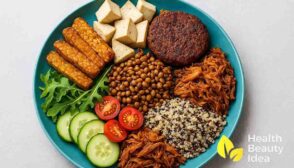
- Replace some deli-meat meals with eggs, fish, fresh poultry, beans, lentils, or tofu.
- Treat bacon, hot dogs, salami, and similar products as occasional foods rather than everyday staples.
- Use smaller portions when processed meat is included in a meal.
- Check ingredient lists for curing, smoking, fermentation, and added preservatives.
- Compare sodium information between similar products.
- Build meals around vegetables, whole grains, and minimally processed protein sources.
For a broader approach to food choices, see our guide to healthy eating.
Frequently Asked Questions
Is all sausage processed meat?
Not always. Cured, smoked, salted, dried, or fermented sausages generally count as processed meat. Some fresh sausages may not, depending on how they are made and preserved.
Is frozen meat processed meat?
Freezing alone does not make fresh meat processed meat under the WHO definition. It may still count if it was cured, salted, smoked, or otherwise preserved before freezing.
Is deli turkey processed meat?
It can be. Turkey that has been cured, smoked, salted, or preserved may qualify as processed meat even though turkey is poultry rather than red meat.
Does “Group 1 carcinogen” mean processed meat is as dangerous as smoking?
No. Group 1 means there is sufficient evidence that the exposure can cause cancer. It does not mean every Group 1 exposure creates the same level of risk.
Does one serving of processed meat cause cancer?
The evidence does not show that a single serving determines whether an individual develops cancer. The concern is regular consumption over time, with risk generally increasing as intake rises.
Bottom Line
Processed meat is defined by preservation methods such as curing, salting, fermentation, and smoking. Bacon, ham, hot dogs, salami, corned beef, jerky, canned meat, and many deli products are common examples.
The health evidence should be taken seriously without turning it into alarmist claims. People who regularly consume processed meat can reduce their exposure by eating it less often, using smaller portions, and choosing fresh or minimally processed alternatives more frequently.
Sources and Medical References
- World Health Organization: Carcinogenicity of red meat and processed meat, published October 26, 2015.
- World Cancer Research Fund: Limit consumption of red and processed meat, current recommendation accessed August 10, 2026.