
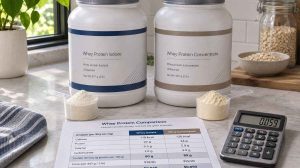
Whey protein isolate and concentrate come from the same milk protein but differ in filtration, protein concentration, lactose, fat, price, and practical use. Learn how to compare them at an equal protein dose instead of assuming isolate is always better.
Does Sparkling Water Have Sodium? How to Check the Label

Not every sparkling water has the same sodium content. Learn why club soda, seltzer, and sparkling mineral water can differ, how to read the Nutrition Facts panel, and how to compare bottles without relying on marketing claims.
Is Protein Powder Ultra-Processed? How to Judge the Label
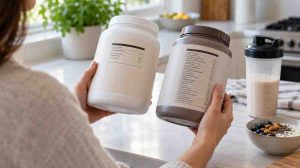
Many protein powders can fit the ultra-processed category, especially flavored formulas containing isolated proteins and functional additives. But processing level alone does not tell you whether a product fits your diet. Learn a practical way to judge both the ingredient list and nutrition label.
How to Read Protein on Nutrition Labels: Grams vs %DV
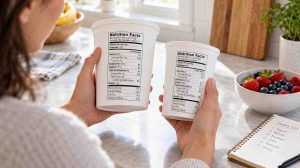
Two foods can advertise the same amount of protein yet provide very different portions, calories, and nutritional value. Learn how to compare protein labels fairly, understand why the % Daily Value may be missing, and use a practical checklist before buying.
Whey Protein vs Plant Protein: 7 Key Differences That Matter
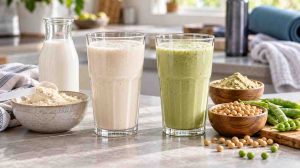
Whey protein vs plant protein is not a simple winner-takes-all choice. Compare amino acids, muscle outcomes, digestion, allergens, labels, cost, and lifestyle fit before choosing your protein.
High-Protein Breakfast Without Protein Powder: A Practical Food-First Builder
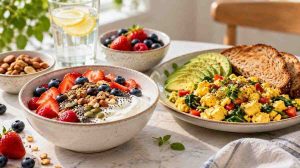
Protein powder is convenient, but it is not the only way to build a protein-rich breakfast. This practical framework shows how to combine everyday foods into breakfasts that fit your appetite, diet, budget, and morning routine.


