
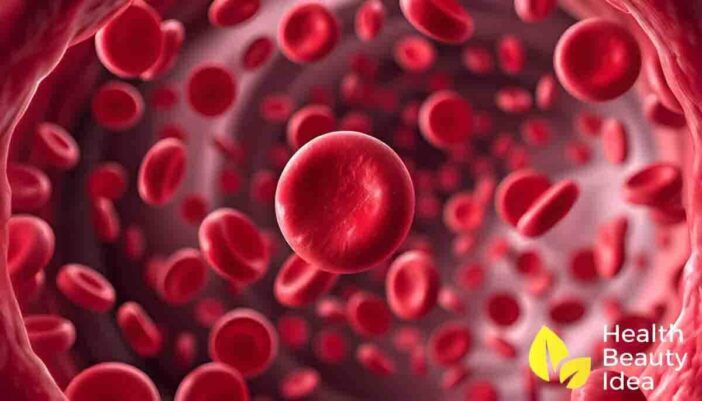
A high red blood cell count, medically known as erythrocytosis, occurs when the number of red blood cells (RBCs) in your bloodstream exceeds normal levels. RBCs are crucial for transporting oxygen from your lungs to the rest of your body and carrying carbon dioxide back to your lungs for exhalation. When their numbers are too high, it can lead to various health complications.
What Constitutes a High Red Blood Cell Count?
Normal RBC counts vary based on age and gender. For men, a typical range is 4.7 to 6.1 million cells per microliter of blood; for women, it’s 4.2 to 5.4 million cells per microliter. Children’s normal ranges depend on age and sex. Counts exceeding these ranges are considered elevated.
Potential Causes of Elevated Red Blood Cell Levels
Several factors can lead to a high red blood cell count:
- Low Oxygen Levels: Conditions like heart failure or sleep apnea can decrease oxygen in the blood, prompting the body to produce more RBCs to compensate.
- Dehydration: A reduced plasma volume due to dehydration can make RBCs more concentrated, appearing as an elevated count.
- Medical Treatments and Conditions: Certain medical treatments and conditions can also lead to a high red blood cell count. Misuse of performance-enhancing drugs like anabolic steroids and erythropoietin, as well as blood cancers like polycythemia vera, can cause an increase in red blood cells.
- Bone Marrow Disorders: Conditions like polycythemia vera cause the bone marrow to produce too many RBCs.
While having a high red blood cell count can indicate underlying health conditions, maintaining overall wellness is crucial in preventing imbalances in the body. Some people turn to supplements like Herbalife for better health, but it’s essential to be aware of potential side effects before consumption. Learn more about the possible risks in this detailed article: Herbalife Side Effects.
Recognizing Symptoms Associated with High Red Blood Cell Count
Many individuals with elevated RBC counts may not exhibit noticeable symptoms. However, some common signs include:
- Headaches and Dizziness: Increased blood viscosity can reduce oxygen delivery to the brain, leading to these symptoms.
- Fatigue: Thicker blood can slow circulation, causing feelings of tiredness.
- Blurred Vision: Impaired blood flow may affect vision clarity.
- Joint Pain: Elevated RBC levels can lead to gout, causing joint discomfort.
It’s essential to consult a healthcare provider if you experience these symptoms, as they can also be associated with other health issues.
Diagnostic Approaches for High Red Blood Cell Count
To determine if you have a high red blood cell count, your doctor may recommend:
- Complete Blood Count (CBC): Measures the number of RBCs, white blood cells, and platelets in your blood.
- Hemoglobin Test: Assesses the oxygen-carrying capacity of your blood.
- Hematocrit Test: Determines the proportion of blood volume occupied by RBCs.
These tests help identify elevated RBC levels and guide further evaluation.
Treatment Options for Elevated Red Blood Cell Levels
Addressing a high red blood cell count involves treating the underlying cause:
- Managing Underlying Conditions: Treating issues like sleep apnea or heart disease can help normalize RBC production.
- Medications: In cases like polycythemia vera, medications may be prescribed to reduce RBC production.
- Phlebotomy: Regularly removing blood can decrease RBC levels in certain conditions.
Collaborating with your healthcare provider is crucial to determine the most appropriate treatment plan.
Preventive Measures and Lifestyle Adjustments
To maintain healthy RBC levels:
- Stay Hydrated: Adequate fluid intake helps maintain proper plasma volume.
- Avoid Smoking: Smoking can reduce oxygen levels, stimulating increased RBC production.
- Limit Use of Performance-Enhancing Drugs: These substances can artificially elevate RBC counts.
- Regular Check-Ups: Routine medical visits can help detect and address abnormalities early.
People Also Ask
What are the risks of having a high red blood cell count?
Elevated RBC levels can thicken the blood, increasing the risk of clots, strokes, and heart attacks.
Is a high red blood cell count treatable?
Yes, treatment focuses on addressing the underlying cause and may include medications, phlebotomy, or lifestyle changes.
Bottom Line
A high red blood cell count can have significant health implications if left unaddressed. Understanding its causes, recognizing symptoms, and seeking appropriate medical care are vital steps in managing this condition effectively.




 Skincare Solutions & Skin Health
 Mental Health, Stress & Emotional Wellbeing
 Sleep, Energy & Daily Performance