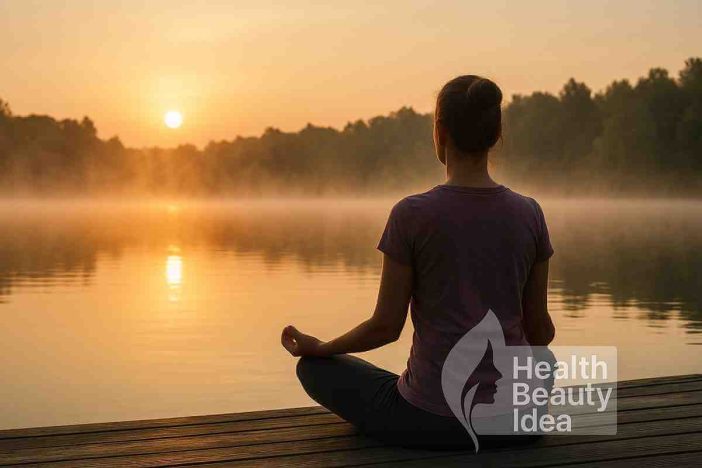
It starts with a whisper — the steady rhythm of your breath, the rise and fall of your chest, the faint hum of life beneath your skin. In that quiet space between inhale and exhale, something remarkable happens: your racing thoughts slow, the noise of the world fades, and you begin to notice. That, right there, is the first step toward mindfulness — the ancient yet scientifically proven art of being fully present in each moment.
Once reserved for monks and mystics, beginner mindfulness exercises have now become a cornerstone of modern wellness. CEOs, athletes, and even schoolchildren use them to reduce stress, sharpen focus, and build emotional resilience. But mindfulness is not just a trend — it’s a transformation.
The Science of Stillness: Why Mindfulness Matters
In a world obsessed with speed, slowing down might feel counterintuitive — yet science says it’s exactly what our brains need. A 2023 Harvard study found that practicing mindfulness meditation for just 15 minutes a day can reduce stress hormones (cortisol) by up to 25%, enhance emotional regulation, and even improve immune response.
Another study published in JAMA Internal Medicine revealed that participants who practiced daily mindfulness experienced a 31% drop in anxiety and depression symptoms compared to those who didn’t.
Even tech giants like Google and Apple have integrated mindfulness exercises into their employee programs because they boost creativity and decision-making clarity. This isn’t spirituality — it’s neuroscience in action.
If you’re exploring beginner mindfulness exercises and how they calm the mind, you may also want to check out our deeper guide on how to reduce anxiety naturally — it covers mindfulness, breath work, and lifestyle habits that complement your practice.
Beginner Mindfulness Exercises
1. Mindful Breathing: The Power of a Single Inhale
The simplest yet most powerful mindfulness exercise for beginners is mindful breathing. You don’t need incense, music, or special mats — just a few minutes and a willingness to focus.
How to practice:
Sit comfortably and close your eyes. Take a slow, deep breath in through your nose for four counts, hold for two, and exhale gently through your mouth for six. Notice how the air feels as it moves through you — cool on the inhale, warm on the exhale.
According to the National Institutes of Health (NIH), deep breathing stimulates the parasympathetic nervous system, which slows the heart rate and lowers blood pressure — a natural antidote to stress.
Pro tip: Start with 3 minutes in the morning. Over time, extend it to 10–15 minutes daily. Consistency, not duration, builds lasting calm.
2. Body Scan Meditation: Reclaiming Your Inner Awareness
Your body often whispers before it screams — tension, fatigue, shallow breaths. A body scan meditation teaches you to listen.
How to practice:
Lie down or sit comfortably. Close your eyes and focus on each part of your body, starting from your toes to your head. As you move your attention upward, notice sensations: warmth, tightness, tingling. Breathe into each area as if sending gentle waves of kindness to yourself.
Research from the University of Massachusetts Medical School shows that body scan meditation can reduce chronic pain intensity by up to 40% and improve sleep quality.
This exercise builds somatic awareness — the connection between mind and body — making it a powerful foundation for emotional healing.
3. Mindful Walking: Turning Movement into Meditation
Imagine feeling every step you take — the ground beneath your feet, the rhythm of your stride, the brush of air on your skin. That’s mindful walking, one of the most accessible beginner mindfulness exercises you can do anywhere.
How to practice:
Find a quiet path or even a hallway. Walk slowly, focusing on each step. Feel your heel touch the ground, then your toes. Sync your breathing with your movement.
In a 2022 Stanford study, mindful walking improved concentration by 43% and boosted mood in participants who spent just 10 minutes practicing it daily.
Golden tip: Turn daily activities — walking to your car, making coffee, or doing chores — into mini mindfulness sessions. Presence turns the ordinary into extraordinary.
4. Mindful Journaling: Turning Thoughts into Clarity
Your mind is a storyteller — sometimes a chaotic one. Writing down your thoughts helps you untangle them. Mindful journaling is more than keeping a diary; it’s an exercise in observation without judgment.
How to practice:
Each evening, write for five minutes. Describe your day without labeling experiences as good or bad. Ask yourself: What did I notice today? What emotion surprised me? What moment felt real?
A 2021 Psychology Today survey found that people who practiced mindful journaling for 30 days experienced a 27% increase in self-awareness and better stress management.
Bonus insight: Combine journaling with gratitude. Writing down three things you’re grateful for each night trains your brain to focus on the positive — a proven method to increase happiness.
5. Loving-Kindness Meditation: The Science of Compassion
The final mindfulness exercise in our list takes you beyond self-awareness to connection. Loving-kindness meditation (Metta) cultivates empathy, forgiveness, and emotional balance.
How to practice:
Close your eyes and silently repeat phrases like:
“May I be happy. May I be healthy. May I live in peace.”
Then extend the wish to others — loved ones, friends, even those who challenge you.
According to researchers at Stanford University, practicing loving-kindness meditation for 2 weeks increased positive emotions by 30% and improved social connectedness. It literally rewires the brain’s compassion centers.
Pro tip: Start small — three minutes daily — and let kindness ripple outward. The more you give, the more you heal.
Building a Mindfulness Habit: Consistency Over Perfection
Every habit begins with intention. The goal isn’t to empty your mind or become perfectly calm. It’s to notice — again and again — when your mind wanders, and gently bring it back.
Here are five actionable tips for making mindfulness stick:
- Start small. One minute of awareness is better than none.
- Anchor it to routine. Practice while brushing teeth or brewing coffee.
- Use reminders. Set gentle phone alerts labeled “breathe.”
- Track progress. Apps like Calm or Insight Timer can help you stay consistent.
- Forgive distractions. They’re not failures — they’re opportunities to return.
Remember, mindfulness is not about control; it’s about curiosity — being fully present in the now.
As you develop your daily routine with beginner mindfulness exercises, you could pair them with quick stress-reduction techniques that are effective when time is tight — our companion article shows five practical methods to calm in under five minutes.
The Real Benefits You Can Feel
When practiced daily, beginner mindfulness exercises deliver tangible results:
| Benefit | Data/Insight | Source |
|---|---|---|
| Stress Reduction | 25% lower cortisol levels | Harvard Medical School |
| Better Sleep | 42% improvement in sleep quality | University of Massachusetts |
| Enhanced Focus | 43% higher concentration | Stanford University |
| Improved Mood | 31% reduction in anxiety/depression | JAMA Internal Medicine |
| Emotional Resilience | 27% increase in self-awareness | Psychology Today Survey |
A Personal Reflection: The Calm Within Chaos
Picture this: you’re stuck in traffic, the world blaring in every direction, deadlines looming. But instead of tensing up, you take a slow breath. The noise is still there — but inside, a small stillness blooms. That is mindfulness. Not the absence of chaos, but peace within it.
As Jon Kabat-Zinn, founder of the Mindfulness-Based Stress Reduction program, once said:
“You can’t stop the waves, but you can learn to surf.”
Every inhale becomes a surfboard. Every exhale, a wave of surrender.
Final Thoughts: Your Journey Starts Here
Mindfulness isn’t something you “achieve.” It’s something you remember — the awareness that you’ve always had within you. When you practice beginner mindfulness exercises, you’re not escaping life; you’re entering it more fully, with open eyes and a calm heart.
The secret isn’t in the techniques — it’s in showing up for yourself, day after day, breath after breath.
So, the next time life feels heavy, pause. Inhale. Exhale. You’re already home.