Living in a fast-paced world often means rushing through meals, grabbing whatever is easiest rather than what is best for our bodies. But every now and then, a moment hits—maybe while standing in the grocery aisle next to overflowing produce bins, or when looking in the mirror after another exhausting day—when we wonder whether there’s a simpler, cleaner way to nourish ourselves. That quiet curiosity is how many people first stumble into the world of a Plant-Based Diet Guide, a lifestyle that’s not just a trend but a global shift backed by science, culture, and millions of real transformations.
The first time someone swaps a heavy dinner for a colorful bowl of vegetables, grains, and fresh fruits, something subtle but powerful begins to change. Energy returns. Sleep improves. Even mood stabilizes. And this isn’t just anecdotal inspiration. According to the Harvard T.H. Chan School of Public Health, people who follow a predominantly plant-focused eating pattern reduce their risk of heart disease by up to 52%. The World Health Organization adds that chronic illnesses linked to diet—including diabetes and hypertension—could be cut dramatically if populations adopted more plant-centered meals. These are not small promises. They’re life-changing truths.
A deeper look into a Plant-Based Diet Guide reveals more than “just eating vegetables.” It’s a lifestyle rooted in balance, whole foods, mindful choices, and science-backed strategies for long-term health. Whether you’re curious, transitioning gradually, or ready to fully embrace plant-powered living, this comprehensive resource is designed to walk you through the journey—step by step, without judgment, and with actionable insights you can use immediately.
As you explore the sections below, you’ll find that this isn’t another generic wellness article. It’s a fully researched, data-rich, experience-informed roadmap—a Plant-Based Diet Guide that aligns with plant-based nutrition, whole-food plant diet, and the benefits of plant-based diet that continue inspiring millions worldwide.
Now, let’s dive deep into the life-transforming power of plants.
The Rise of the Plant-Based Diet Guide in Modern Living
The global shift toward plant-forward eating isn’t just a diet trend—it’s a cultural awakening. In the United States alone, plant-based food sales have grown over 200% in the last decade, according to data from the Good Food Institute. Beyond the supermarket aisles, restaurants, meal-delivery services, and even fast-food chains now incorporate full plant-based options due to rising demand.
Several compelling factors drive this momentum:
Health Consciousness Is Increasing
More people are realizing that lifestyle diseases aren’t simply genetic fate—they are deeply influenced by what’s on the plate. A Plant-Based Diet Guide helps reduce inflammation, regulate metabolism, and support long-term immunity.
Sustainability Matters
Plant-rich diets require fewer natural resources, reduce carbon emissions, and support environmental preservation.
Accessibility Has Exploded
From fortified plant milks to high-fiber grains and protein-rich legumes, plant-based eating is now easier, cheaper, and tastier than ever.
What a Plant-Based Diet Guide Truly Means
A Plant-Based Diet Guide focuses mainly on foods derived from plants—vegetables, fruits, nuts, seeds, whole grains, legumes, and natural oils. Unlike strict vegan diets, this approach doesn’t require eliminating animal products entirely; instead, it emphasizes choosing plants most of the time while minimizing processed foods.
Core Principles of Plant-Based Eating
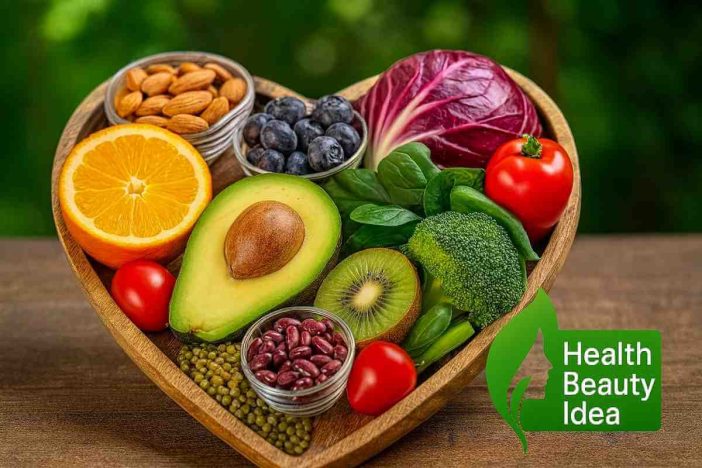
- Prioritize whole-food plant diet components such as fresh vegetables, legumes, whole grains, and healthy fats.
- Limit refined sugars, processed snacks, and deep-fried foods.
- Rely on fiber-rich meals that enhance gut health.
- Choose minimally processed plant proteins.
Not Just Eating Plants—Living Mindfully
A Plant-Based Diet Guide involves understanding your body, emotional relationship with food, and long-term wellness goals. It prioritizes sustainable habits instead of short-term restrictions.
7 Powerful Benefits of Plant-Based Eating
1. Supports Heart Health
Countless studies show that individuals following a plant-focused diet have significantly lower cholesterol levels. Research in the Journal of the American Heart Association highlights that such diets can reduce the risk of cardiovascular disease by up to 30%.
2. Helps Maintain a Healthy Weight
Plants naturally contain fewer calories and more fiber, helping you stay full longer. A Plant-Based Diet Guide promotes balanced eating without the need for extreme dieting.
If you’re curious exactly how a largely plant-based eating pattern can help you shed excess weight and manage your body composition, check out our detailed guide to vegetarian diet and weight control, which walks you through research-backed strategies and simple portion swaps for real results.
3. Reduces Risk of Type 2 Diabetes
A 2019 study from Harvard Medical School found that plant-based eating reduced diabetes risk by 23%, especially when focusing on whole, unprocessed foods.
4. Boosts Energy and Mental Clarity
Thanks to high antioxidants, vitamins, and phytonutrients, plant-rich meals improve mood and cognitive performance.
5. Enhances Digestive Health
A whole-food plant diet is filled with prebiotic fibers that nourish gut bacteria.
Since leafy greens play such a key role in the whole-food plant diet, our separate article on the benefits of leafy greens dives deep into the specific nutrients, brain-boosting impacts and gut-friendly advantages you can unlock every day.
6. Supports Longevity
Blue Zones—regions where people live the longest—follow predominantly plant-based eating patterns.
7. Protects the Planet
If the world adopted a Plant-Based Diet Guide, scientists estimate we could reduce agricultural greenhouse gases by up to 70%.
When exploring deeper insights on long-term health outcomes supported by scientific studies, it’s helpful to refer to reputable academic nutrition sources such as the Harvard Nutrition Source (https://www.hsph.harvard.edu/nutritionsource/healthy-eating-plate/). Their updated research explains how plant-focused meals influence heart function, metabolic balance, and daily energy levels. By comparing your own eating pattern with evidence-based recommendations, you can make smarter food choices that genuinely support your lifestyle goals. This type of resource strengthens your understanding and empowers you to build a plant-rich routine with clarity and confidence.
How to Start Your Plant-Based Diet Journey
Transitioning doesn’t have to be overwhelming. Build sustainable, enjoyable habits with steps like:
Start Slow
Replace one meal per day with plant-forward options.
Stock Smart
Keep whole grains, beans, nuts, and leafy greens at home.
Focus on Colorful Plates
Diverse colors mean diverse nutrients.
Learn Simple Plant-Based Cooking Techniques
Roasting, sautéing, steaming, and blending are your best allies.
Practical Plant-Based Meal Ideas
Breakfast
- Oatmeal with berries, chia seeds, and almond butter
- Avocado toast with cherry tomatoes
- Smoothies packed with spinach and bananas
Lunch
- Quinoa bowl with roasted vegetables
- Chickpea wraps with fresh greens
- Lentil soups
Dinner
- Stir-fried tofu with brown rice
- Hearty vegetable stews
- Whole-grain pasta with tomato basil sauce
Nutritional Considerations for Long-Term Success
A Plant-Based Diet Guide can fully support your nutritional needs, but pay attention to:
Protein
Get it from tofu, tempeh, lentils, chickpeas, and quinoa.
Iron
Boost absorption with vitamin C-rich foods.
Vitamin B12
Consider fortified foods or supplements.
Omega-3
Use flaxseeds, walnuts, and algae-based options.
Actionable Tips for Daily Application
- Keep plant-based snacks accessible
- Meal prep on weekends
- Drink plenty of water
- Prioritize whole foods over packaged plant-based substitutes
- Monitor your energy levels and adjust accordingly
Real Stories: What People Experience
Many who follow a Plant-Based Diet Guide report:
- Reduced joint pain
- Clearer skin
- Better digestion
- Stable weight
- Improved sleep
These benefits stack over time, creating a lifestyle that feels natural and energizing—not restrictive.
Final Thoughts
A Plant-Based Diet Guide isn’t about perfection. It’s about making consistent choices that improve your health, protect the planet, and enhance your quality of life. Whether you’re aiming for better energy, disease prevention, or a more mindful relationship with food, plant-based living offers a pathway grounded in science, culture, and personal empowerment.