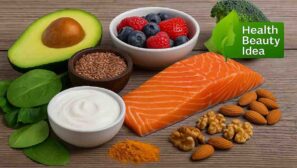
Top Anti-Inflammatory Foods are not just the latest health trend—they are powerful, science-backed allies in the fight against chronic pain and fatigue.
On a rainy morning in Seattle, Maria walked through the bustling farmer’s market with her scarf tight around her neck, knees aching from months of relentless discomfort. The painkillers had dulled the edges but never silenced the storm.
That was when a vendor, holding up a knotted golden root, said with quiet confidence: “Turmeric. Nature’s fire extinguisher.”
Maria was skeptical. But desperation often paves the way for change. Within weeks of adding turmeric to her tea and salmon to her dinners, something shifted. Her mornings grew lighter. Her steps felt easier.
What Maria didn’t know then, but science now confirms, is that these miraculous superfoods for inflammation can reduce markers like C-reactive protein, support heart health, and even boost mental clarity.
Here’s the ultimate guide to Top Anti-Inflammatory Foods, weaving together real stories, research, and practical tips to help you reclaim your health naturally.
Why Top Anti-Inflammatory Foods Matter
Chronic inflammation silently fuels everything from joint pain to fatigue to the risk of heart disease and diabetes. Studies reveal that an anti-inflammatory diet can cut inflammatory markers like CRP (C-reactive protein) by up to 30% within weeks. Unlike medication, food works gently yet powerfully, reducing symptoms and promoting overall well-being.
Since balanced hormones and reduced inflammation often go hand-in-hand, check out our overview of the Best Foods for Hormone Balance—where turmeric and salmon reappear among other hormone-supportive nutrients that align beautifully with the anti-inflammatory approach.
According to research from Harvard Health, incorporating anti-inflammatory foods like turmeric, salmon, and leafy greens into daily meals can significantly lower chronic inflammation markers such as CRP. Their studies highlight how consistent dietary changes may reduce the risk of heart disease, arthritis, and even certain cancers, offering strong evidence that food can indeed be powerful medicine when chosen wisely.
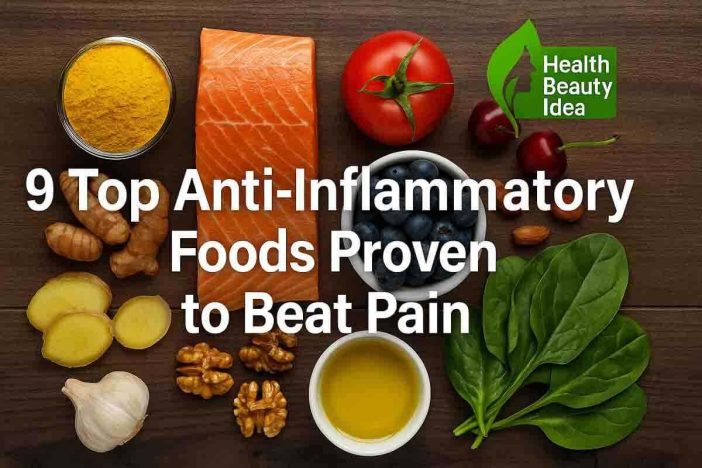
9 Powerful Foods That Fight Inflammation
Below are the Top Anti-Inflammatory Foods proven by science and tradition. Each one comes with practical tips to make it part of your daily life.
1. Turmeric: The Golden Healer
- Why it works: Curcumin, turmeric’s active compound, has powerful anti-inflammatory and antioxidant properties.
- Evidence: Clinical trials show curcumin can reduce joint pain scores by up to 40% in arthritis patients.
- How to use: Add ½ tsp turmeric to smoothies, soups, or golden milk. Pair with black pepper and healthy fats for better absorption.
For readers intrigued by the healing power of turmeric, our detailed article on the Health Benefits of Turmeric dives deeper into how curcumin supports joint comfort, cognitive function, gut soothing, and even adds a glow to your skin—offering a broader perspective that complements this guide’s anti-inflammatory focus.
2. Ginger: Nature’s Anti-Inflammatory Tea
- Why it works: Gingerol and shogaol compounds block inflammatory pathways in the body.
- Quick tip: Brew fresh ginger slices with hot water and lemon for a soothing anti-inflammatory tea.
- Extra benefit: Helps with digestion and nausea relief.
3. Blueberries and Dark Berries: Tiny But Mighty
- Why it works: Packed with anthocyanins, powerful antioxidants that combat oxidative stress.
- Serving idea: Add a handful to oatmeal, yogurt, or smoothies for a daily antioxidant boost.
- Research highlight: Studies link berry consumption to reduced risk of heart disease and cognitive decline.
4. Fatty Fish: Omega-3 Powerhouses
- Why it works: Salmon, sardines, and mackerel are rich in EPA and DHA, omega-3 fatty acids that lower inflammatory markers.
- Evidence: Omega-3s reduce joint stiffness and may protect against heart disease.
- How to cook: Grill salmon with olive oil and rosemary for a double anti-inflammatory punch.
5. Leafy Greens: The Fiber and Folate Boost
- Why it works: Spinach, kale, and Swiss chard are high in antioxidants like lutein and beta-carotene.
- Simple recipe: Lightly sauté with garlic and olive oil for a nutrient-rich side dish.
- Fun fact: Dark greens also support gut health, which plays a key role in regulating inflammation.
6. Nuts and Seeds: Plant-Based Omega-3s
- Why it works: Walnuts, chia, and flaxseeds provide alpha-linolenic acid (ALA), a plant-based omega-3 fatty acid.
- Quick snack: Overnight chia pudding with berries for breakfast or a mid-day energy boost.
- Extra perk: High in fiber for gut health and satiety.
7. Tomatoes: Lycopene-Rich Protectors
- Why it works: Cooking tomatoes boosts lycopene levels, an antioxidant linked to reduced inflammation.
- Meal idea: Simmer tomatoes into a homemade sauce with onions and garlic for pasta or stews.
- Research note: Lycopene intake has been associated with improved cardiovascular health.
8. Olive Oil: The Mediterranean Secret
- Why it works: Extra virgin olive oil contains oleocanthal, with effects similar to anti-inflammatory drugs like ibuprofen.
- How to use: Drizzle over salads, roasted veggies, or as a dip for whole-grain bread.
- Dietary bonus: Core component of the Mediterranean diet, linked to longevity and heart health.
9. Tart Cherries: Sweet Pain Relievers
- Why it works: Anthocyanins and melatonin help reduce post-exercise muscle soreness and support sleep quality.
- Easy serving: Blend into smoothies or add to yogurt for a bedtime snack.
- Study insight: Regular tart cherry juice consumption lowers oxidative stress in athletes.
Sample Anti-Inflammatory Daily Menu
- Breakfast: Chia seed pudding with blueberries, a dash of turmeric, and walnuts
- Lunch: Kale salad with grilled salmon, cherry tomatoes, and olive oil dressing
- Snack: Ginger tea with a handful of tart cherries
- Dinner: Tomato-based lentil stew with sautéed leafy greens and whole grains
This simple, nutrient-rich routine offers antioxidants, omega-3s, fiber, and polyphenols—your body’s best defense against inflammation.
Practical Tips Backed by Science
- Pair turmeric with black pepper: Piperine in pepper increases curcumin absorption by up to 2000%.
- Omega-3 sources matter: Fish-based EPA/DHA shows stronger anti-inflammatory effects than plant-based ALA alone, though both are beneficial.
- Consistency beats quantity: Small daily doses have a cumulative impact over time.
- Mind individual needs: Those on blood thinners or with chronic conditions should consult healthcare providers before major diet changes.
Bottom Line
Imagine starting your day with blueberry-chia pudding, enjoying a lunch of grilled salmon with kale, and ending with a soothing turmeric-ginger tea. These small, delicious steps can help calm chronic inflammation, ease pain, and improve energy levels—transforming not just meals but the quality of your life.
By embracing Top Anti-Inflammatory Foods, you’re not just following a diet—you’re choosing a lifestyle that science, tradition, and taste buds all agree on: natural healing through food.