
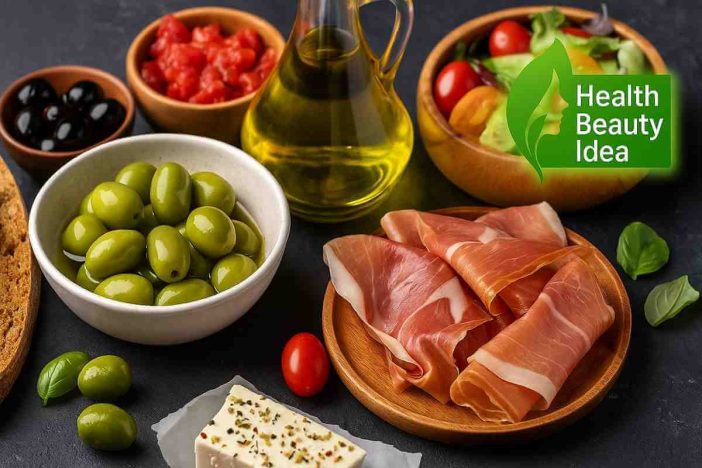
In a little port town on the Mediterranean coast, the sun rises over the sea and the smell of fresh bread drifts through the air. An elderly fisherman, his skin weathered by years of dawn-light, pours a generous stream of golden olive oil over steamed greens, dips crusty bread into it, and savours each bite with a contented sigh.
Across the table, his granddaughter offers him a handful of toasted almonds and a jug of red wine, insisting that he “take your strength”. These are not just routines—they are small rituals of a way of life, rooted in tradition, flavour and shared stories. And what these simple habits cloak is astonishing: a set of deeply backed health transformations, known widely now as Mediterranean Diet Health Benefits.
If you’ve ever wondered how a diet rooted in regional tradition can deliver world-class outcomes, you’re about to discover seven of its most powerful secrets—each backed by real data, each actionable, and each designed to shift how you view food, not as a restriction, but as an ally. Let’s dive in.
Mediterranean Diet Health Benefits
1. The Heart-Guardian Secret
Why it matters
Cardiovascular disease remains the world’s leading killer, yet one of the clearest narratives of the Mediterranean approach is its heart-protecting power. Research shows that individuals who follow this style of eating closely have markedly lower risks of fatal heart events and improved cardiovascular biomarkers. One major U.S. cohort study found that women who adhered strongly to the Mediterranean pattern had a 23% lower risk of dying from any cause over about 25 years of follow-up.
What makes it work
- Healthy fats from extra-virgin olive oil and fatty fish support better lipid profiles and reduce atherosclerosis.
- Abundant vegetables, legumes and whole grains contribute fibre and antioxidants that reduce inflammation and oxidative stress.
- Fewer ultra-processed foods means fewer dietary insults to blood vessels. One Italian cohort found that high adherence to the Mediterranean pattern and low consumption of ultra-processed foods together produced an HR of 0.76 for all-cause mortality compared to low adherence/high UPFs.
How to apply it tomorrow
- Swap your usual cooking fat for olive oil—use it for dressings, sautéing or finishing steamed vegetables.
- Include two servings of fatty fish (like mackerel, sardines or salmon) per week.
- Make legumes (chickpeas, lentils, beans) the main protein in one meal twice a week.
- Replace sugary snacks with a handful of nuts or fresh fruit.
Example meal
Lunch: Mixed greens tossed in olive oil and lemon, chickpeas, chopped walnuts, grilled sardine fillet, whole-grain pita. Dinner: Oven-roasted salmon, steamed broccoli with olive oil and garlic, quinoa. Snack: A handful of almonds + a fresh pear.
Key takeaway
By adopting this pattern consistently, you’re not chasing the latest fad—you’re investing in your vascular system for decades to come.
2. The Longevity Edge
Why it matters
Living longer is one thing; living longer with vitality is another. The Mediterranean style of eating offers both. Several large meta-analyses show that higher adherence is linked to significant reductions in all-cause mortality. For example, older-adult data revealed a pooled risk reduction of about 23% for high adherence versus low.
What makes it work
- Multiple body systems benefit simultaneously: the heart, metabolism, inflammation, brain.
- The synergy of whole foods produces effects greater than any single nutrient.
- Lifestyle components—meal sharing, movement, less stress—aid longevity.
How to apply
- Rather than overhaul everything at once, set a goal: one Mediterranean-style meal per day this week, two next week.
- Use a food photo-journal to observe how meals change.
- Encourage communal meals—invite family, friends, slow the pace.
Example behaviour
Sunday family dinner: whole-grain pasta with tomato, olive oil, basil, beans; grilled fish; salad; finish with fresh berries and a few walnuts. Walk together post-meal.
Key takeaway
This is not just about avoiding disease—it’s about maximizing the years you feel good in your own skin.
3. The Brain Boost Secret
Why it matters
Cognitive decline and dementia are among the greatest fears of aging today. The pattern of Mediterranean Diet Health Benefits also reaches your grey matter. Recent meta-analysis found adherence was associated with an 11–30% lower risk of age-related cognitive disorders.
What makes it work
- Better cardiovascular health means better brain perfusion.
- Foods rich in unsaturated fats, antioxidants (e.g., from olive oil, nuts, fish) protect neural tissue.
- Diets high in legumes, whole grains and vegetables support stable glucose metabolism (important for brain health).
- The lifestyle around meals—social, unhurried—boosts mental resilience.
How to apply
- Replace processed snack foods with plant-rich snacks: carrot/lentil hummus, mixed nuts, fresh fruit.
- Prioritise fish twice a week for omega-3s (e.g., salmon, sardine, trout).
- Add leafy greens daily (spinach, kale, Swiss chard) and berries a few times a week.
Example meal
Breakfast: Greek-style yogurt with blueberries, chopped walnuts, a drizzle of olive oil.
Key takeaway
What you put on your plate today can shape your mental sharpness tomorrow.
For readers wanting to dive deeper into plant-rich eating, our article on leafy greens explores ten powerful reasons to make them a daily habit — a natural complement to the Mediterranean Diet Health Benefits discussed above.
4. The Metabolic Reset Secret
Why it matters
From type 2 diabetes to metabolic syndrome, many chronic conditions stem from metabolic dysfunction. The Mediterranean pattern has stepped up as a powerful agent in resetting metabolism and improving glycaemic control. In diabetic populations, one review found average HbA1c reductions of about 0.39% and fasting glucose dropped by about 15 mg/dL versus control diets.
What makes it work
- High-fibre, low-glycaemic load foods reduce glucose spikes;
- Healthy fats improve insulin sensitivity;
- Less processed food = fewer metabolic stressors.
How to apply
- At breakfast: switch from sugary cereal to steel-cut oats with berries and nuts.
- At lunch: half the plate legumes + whole-grain + veggies.
- At dinner: fish or poultry, plenty of vegetables, olive oil.
- Drink water or herbal tea instead of sugary beverages.
Example meal
Snack: Apple slices with almond butter. Lunch: Lentil salad with cherry tomatoes, cucumber, parsley, olive oil & lemon.
Key takeaway
You’re not just eating food—you’re rewiring how your body handles sugar, fats and energy.
Since hormone balance underpins metabolic health, feel free to explore our dedicated article on the best foods for hormone balance — which pairs naturally with the metabolic reset explained above in the Mediterranean Diet Health Benefits.
5. The Inflammation and Chronic-Disease Shield
Why it matters
Inflammation is the silent backbone of many modern illnesses—from heart disease and diabetes to autoimmune disorders and even some cancers. The Mediterranean Diet Health Benefits here act as an armour. A recent review shows it may reduce fatal cardiovascular events by up to 67% in certain populations and non-fatal events by 21–70%.
What makes it work
- Olive oil, nuts, fish and legumes supply anti-inflammatory compounds and antioxidants.
- Fewer ultra-processed foods mean fewer pro-inflammatory triggers.
- Better gut health leads to fewer systemic inflammatory signals.
How to apply
- Use herbs & spices generously (oregano, rosemary, garlic) instead of pre-mixed sauces.
- Choose whole fruits, veggies, legumes at each meal.
- Avoid ultra-processed snacks, sodas, packaged desserts.
Example meal
Dinner: Chickpea stew with tomatoes, spinach, garlic and olive oil; whole-grain bread on the side.
Key takeaway
Food isn’t just fuel—it can signal your body to heal instead of harm.
To further strengthen your body’s defence system, you may also want to visit our guide on antioxidant-rich foods — a perfect match for the longevity and inflammation-resistance elements of the Mediterranean Diet Health Benefits.
6. The Weight and Body-Shape Alliance
Why it matters
Many diets promise rapid weight-loss but fail to support long-term health. The Mediterranean style offers stable weight-maintenance, reduced waist circumference, improved body-composition—all while you enjoy real food. Studies show modest BMI reductions (about -0.71 units) and waist reductions (~-1.7 cm) among diabetics.
What makes it work
- High fibre + healthy fats create fullness and stable energy.
- Whole foods reduce calorie-dense processed food intake naturally.
- The lifestyle elements (shared meals, movement, slower eating) promote sustainable habits.
How to apply
- Start meal with a big plate of vegetables/salad.
- Go easy on red meat—make poultry or fish your go-to.
- Include whole grains, not refined.
Example meal
Breakfast: Whole-grain toast topped with avocado, cherry tomatoes, a poached egg.
Key takeaway
This isn’t a crash diet—it’s a side-kick that helps you stay in shape while living life fully.
If you’re interested in using this style of eating for weight-management, our sister piece on Mediterranean Diet Weight Loss covers 7 proven secrets and dovetails nicely with the broader health benefits covered in this article.
7. The Sustainability and Enjoyment Secret
Why it matters
The best diet in the world fails if you hate it or can’t sustain it. One of the often-overlooked strengths of the pattern is that it’s delicious, flexible, and rooted in culture—not counting calories. In 2025, one review noted that the Mediterranean approach ranked #1 overall diet, best diet for mental health, gut health and ease of adoption.
What makes it work
- Meals are flavorful, varied, and built around whole foods—not deprivation.
- The pattern encourages shared meals, local produce, cultural joy.
- It’s adaptable: meat is limited but not banned; fish, legumes and whole grains step in.
How to apply
- Explore recipes from Mediterranean regions—Greece, Spain, southern Italy—and make them your own.
- Make one night per week a “Mediterranean-style” dinner with friends or family.
- Use positive language: focus on what you can eat (olive oil-drenched veggies, fresh fish) not what you must avoid.
Example meal
Saturday social night: Mezze platter — hummus, olives, grilled veggies, whole-grain pita, baked fish, fresh fruit.
Key takeaway
When eating is pleasurable and culturally rich, adherence becomes effortless—and that’s when benefits stack up.
Bottom Line
In closing, the Mediterranean Diet Health Benefits aren’t a mirage. They emerge when you shift your plate, your social habits and your love for real food. From heart protection to sharper focus, from metabolic balance to enjoying the years ahead—each of the seven secrets above offers practical, evidence-backed ways to transform day-to-day life.
Here’s what you can do right now: pick one of the secrets, adopt it this week, build it into a habit, and watch how your body, mind and mood start aligning. Over time, these small shifts under the surface will accumulate into meaningful change.
Your next step might be: map out your meals for the next seven days using two or three of the secrets; take photos of before/after; share the journey with a friend. Food can be your strategy, your joy and your ally. Embrace it.


 Skincare Solutions & Skin Health
 Mental Health, Stress & Emotional Wellbeing
 Sleep, Energy & Daily Performance